The AI writing market in 2026 has never been bigger or noisier. New tools launch monthly, every existing tool bolts on AI features, and creators who just wanted to write faster are drowning in dashboards and pricing tiers that blur together. Here is the honest split underneath all of it: speed is solved (every tool delivers that), and voice is not (almost none do). This is a by-job breakdown of what each tool actually does well, what the pricing really looks like, and where most mainstream tools fall flat for personal-brand creators. (Pricing was verified against vendor pages in June 2026; check the vendor for current numbers. Disclosure: VoiceMoat is our own product, placed by what it does. Named-tool note: ChatGPT, Claude, and the rest are named as the tools people use; audenAI, the brain inside VoiceMoat, is named as a product, never as a backend model.)
What AI writing tools actually do well in 2026
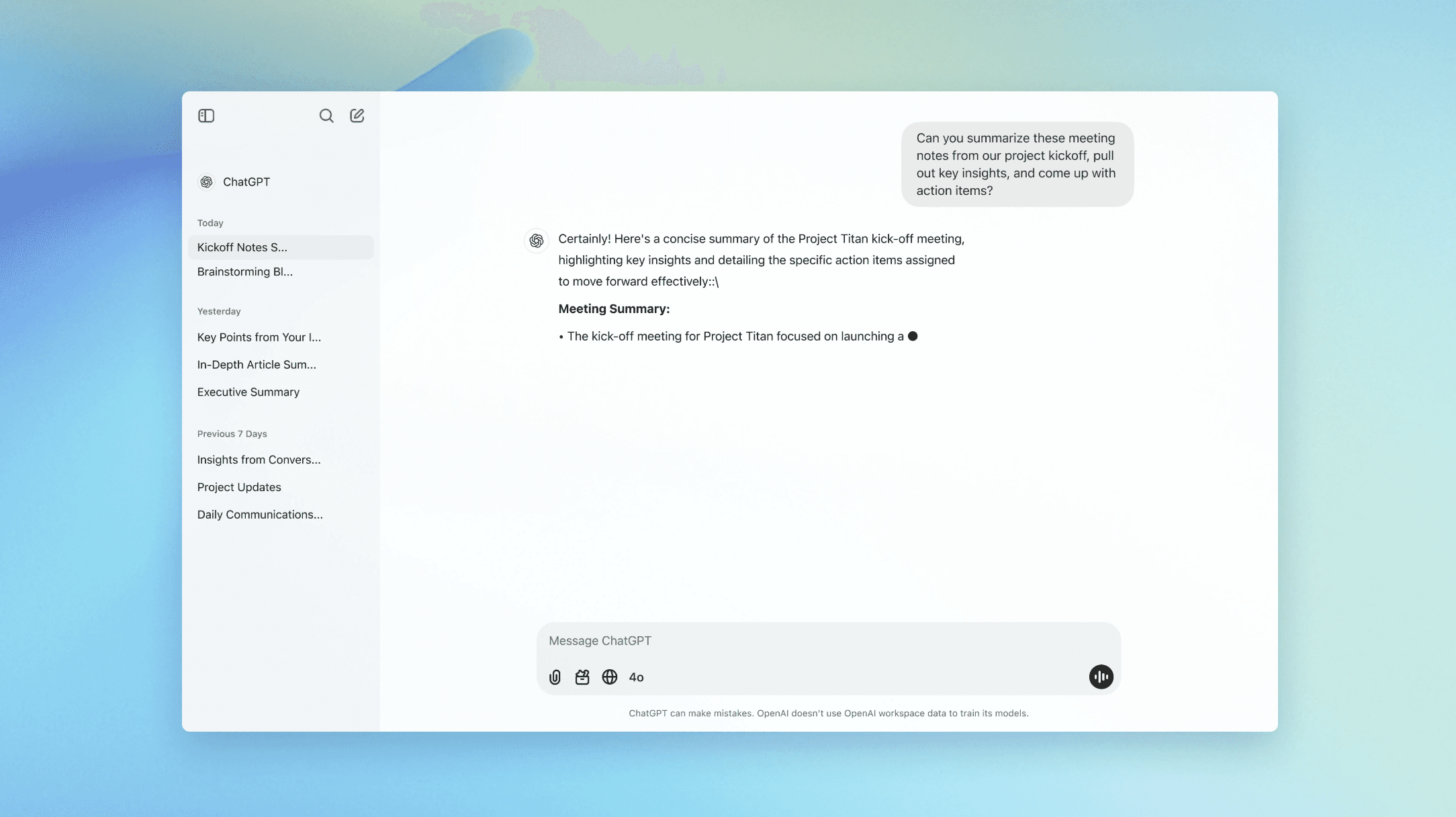
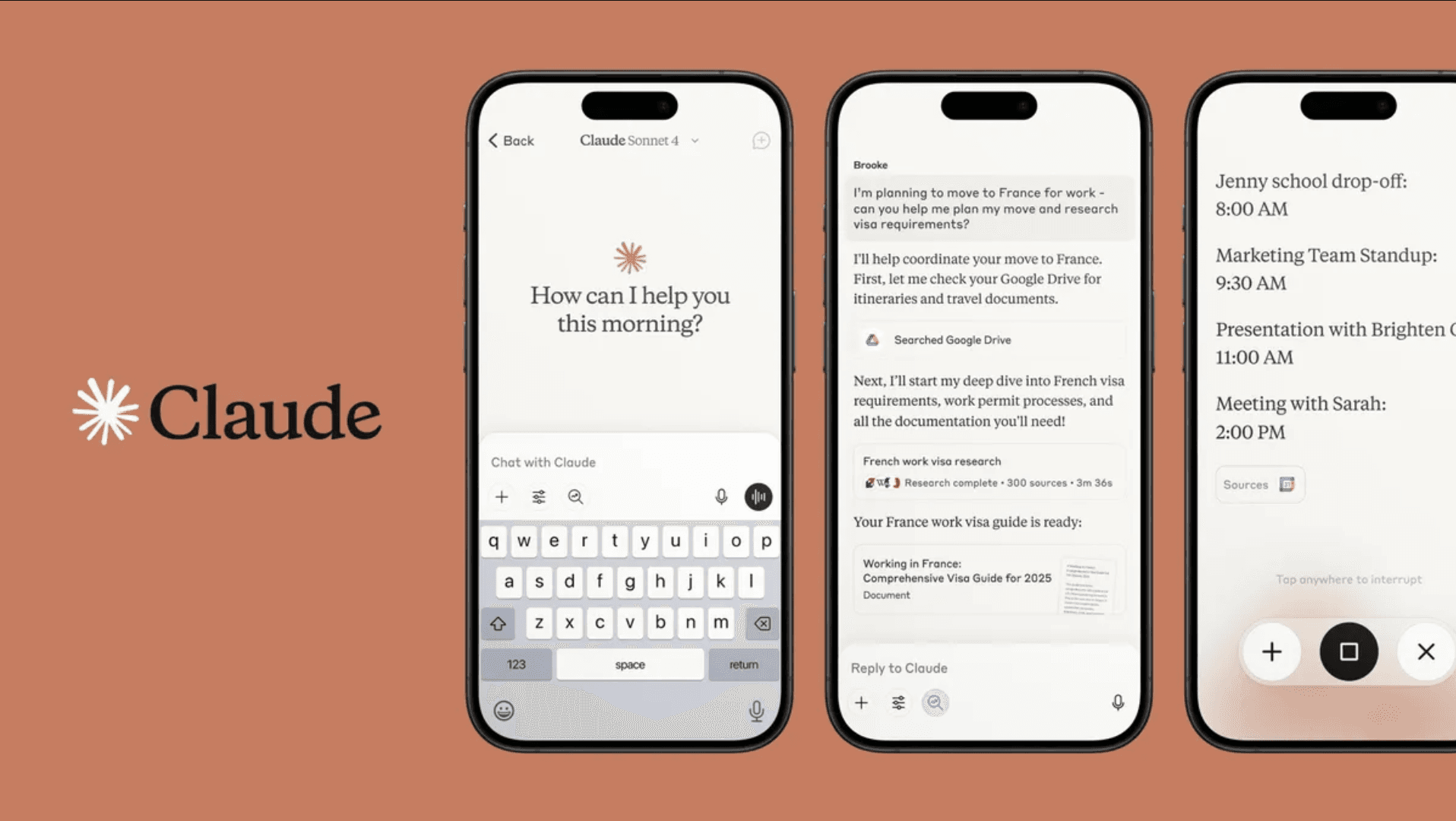
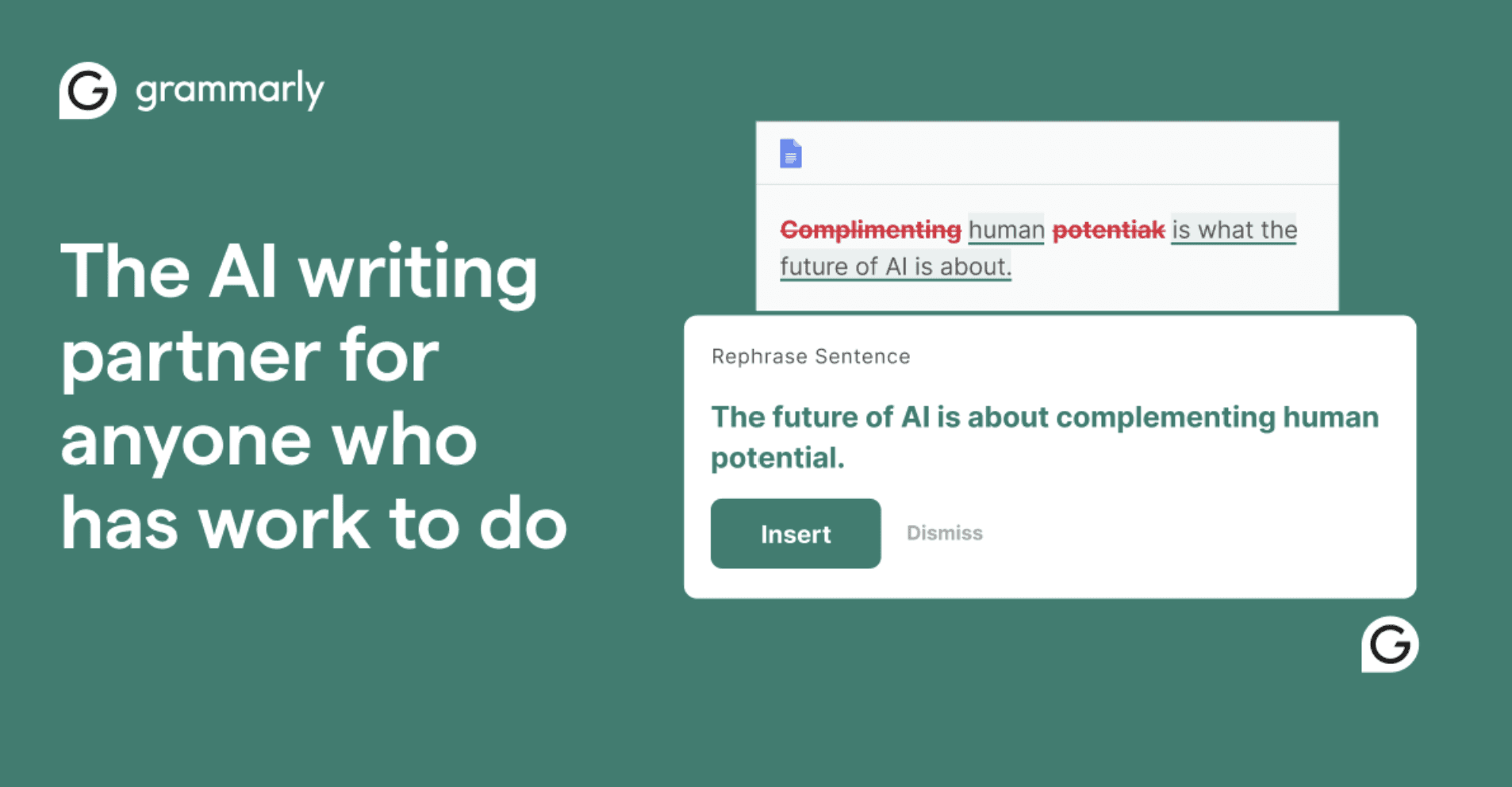
The progress is real. Drafts that used to take hours take minutes, and research that needed a dozen tabs surfaces in one prompt. The strongest use cases are the ones where speed and volume matter more than voice: first drafts, product descriptions, email sequences, ad-copy variations, outlines, and FAQ sections. Nobody reads a product description and thinks 'this really sounds like Sarah'; they read it to learn what the product does, and AI handles that well. There is also a separate, narrower job: editing rather than drafting. Grammarly is the clearest example, a polish layer that makes writing you already wrote cleaner; the human-and-AI division of labor (you do the thinking, the tool does the cleanup) is mapped in the hybrid human-AI writing workflow. On the general models, ChatGPT handles structure and instructional content cleanly, while Claude handles tone and narrative more naturally; both sit at about $20 a month for their core paid tiers, which makes them an apples-to-apples pair for most people.
The authenticity gap: why most AI content sounds the same
This is the section most roundups skip and the one that matters most if you are a creator. AI writing tools are trained on massive datasets, so when thousands of people prompt the same model to 'write a LinkedIn post about leadership,' the model returns variations on the statistical average of what leadership posts look like. That is not a bug; it is how large language models work. But it means the output is a remix of the median, dressed in your prompt's instructions, never genuinely yours. Real voices have edges, specific word choices, specific rhythms; generic AI smooths all of that away. The full mechanism is in why all AI-written tweets sound the same. If you are choosing a model specifically for short-form, the head-to-head is at the best AI for writing tweets.
Prompting harder helps but does not solve it, for three reasons: you have to re-enter your style every session, the instructions degrade over a long context window, and a prompt describing your voice is not the same as a model trained on it. One is a description; the other is data. This is the gap VoiceMoat was built to close. Rather than approximating your voice from a prompt, audenAI, the brain inside VoiceMoat, trains on your actual posting history (your posts, replies, and threads) and generates from that, with a voice match score on every draft, an 80 percent ship-ready floor, and the AI vocabulary cluster refused by default. The concept-level version of this difference, the levels of personalization from a generic prompt to a trained model, is in personalized AI content, and the strategic case for why voice is the durable asset is in authenticity as a moat.
How to evaluate an AI writing tool before you commit
Most people test a tool by generating one piece of content and subscribing or moving on. Here is a better checklist. Ask: does it actually learn your voice or just accept your prompt; what does the free tier let you do in practice (not in the marketing copy); what is the lock-in and data-export risk; does it support the platforms you actually post on; and can you measure whether the output sounds like you, or are you left guessing on vibes?
- Red flag: 'write in your brand voice' that turns out to be a tone dropdown (professional, casual, playful). That is a tone selector, not voice learning.
- Red flag: 'human-sounding' output that AI detectors still flag at high confidence, or a demo that cannot explain how it would learn your specific style.
- Green flag: training on your actual content history, output that improves as the model sees more of your writing, and a measurable authenticity signal rather than a subjective feeling.
Best AI writing tools for long-form and blogging
Long-form needs coherent structure across thousands of words. For pure drafting, ChatGPT (about $20/mo, Plus) is best for structured, instructional content: step-by-step guides, listicles, how-tos. Claude (about $20/mo, Pro) handles narrative and tone more naturally, the better pick for essays and thought-leadership where the writing needs a point of view. Neither is ready to publish under your name out of the box; treat the output as a strong first draft that still needs your voice layer added.
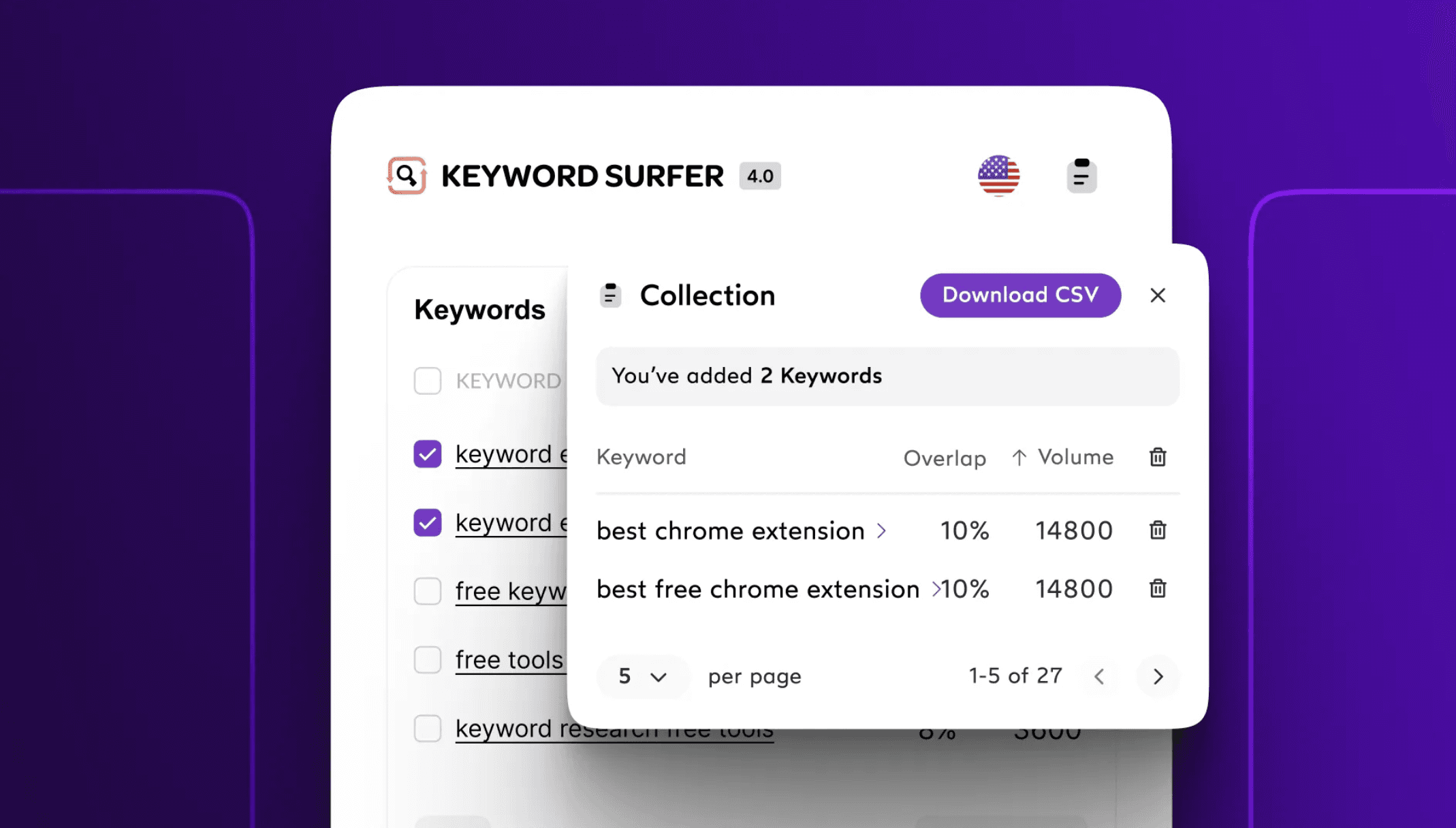
For search-optimized writing, Surfer (from about $49/mo) generates content scored against what currently ranks. The tradeoff is explicit: it optimizes for search signals, not voice, so it is the right call for a content team chasing organic traffic and the wrong one for a solo creator whose brand depends on sounding like a specific person.
Best AI writing tools for marketing copy and email
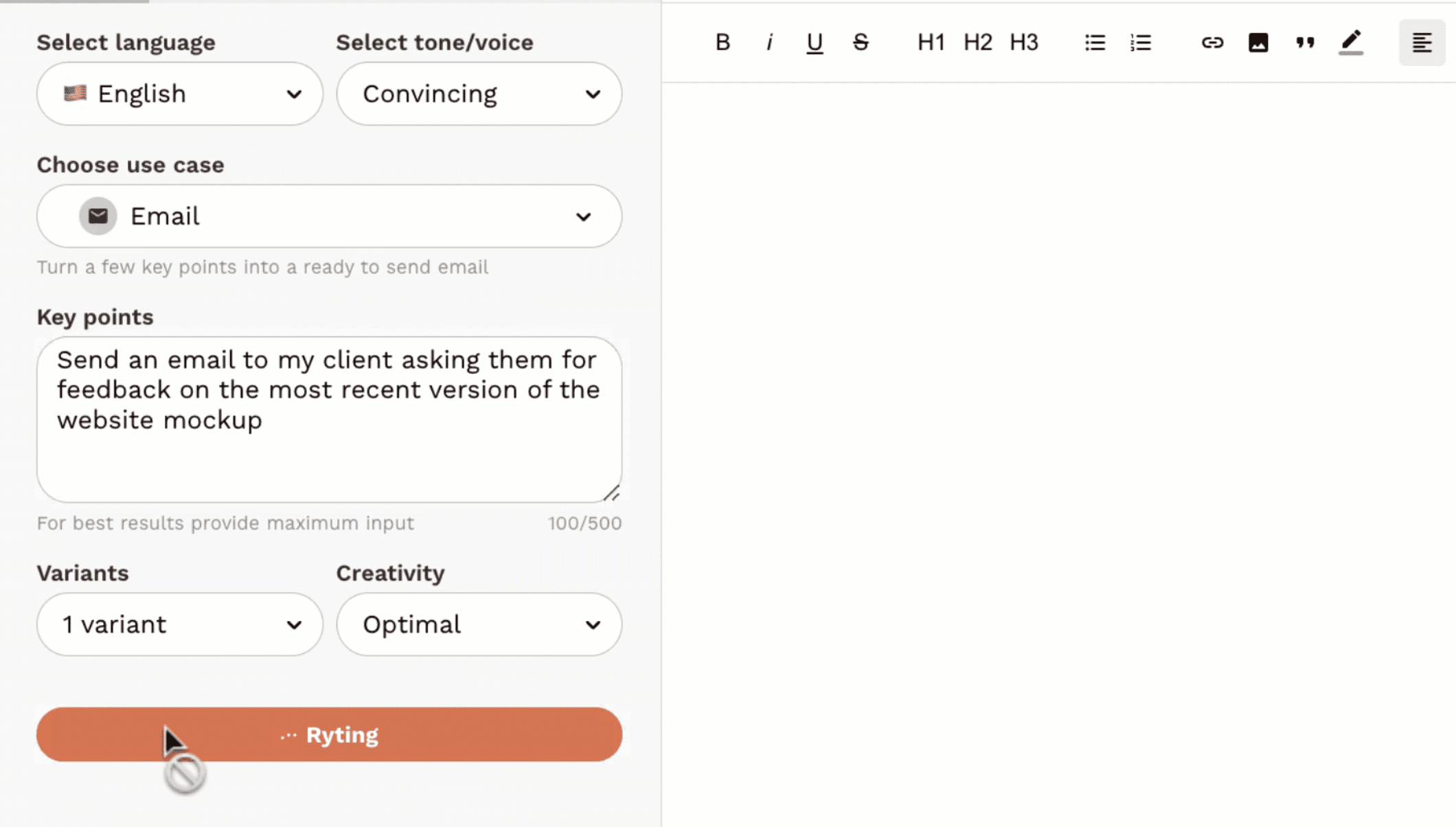
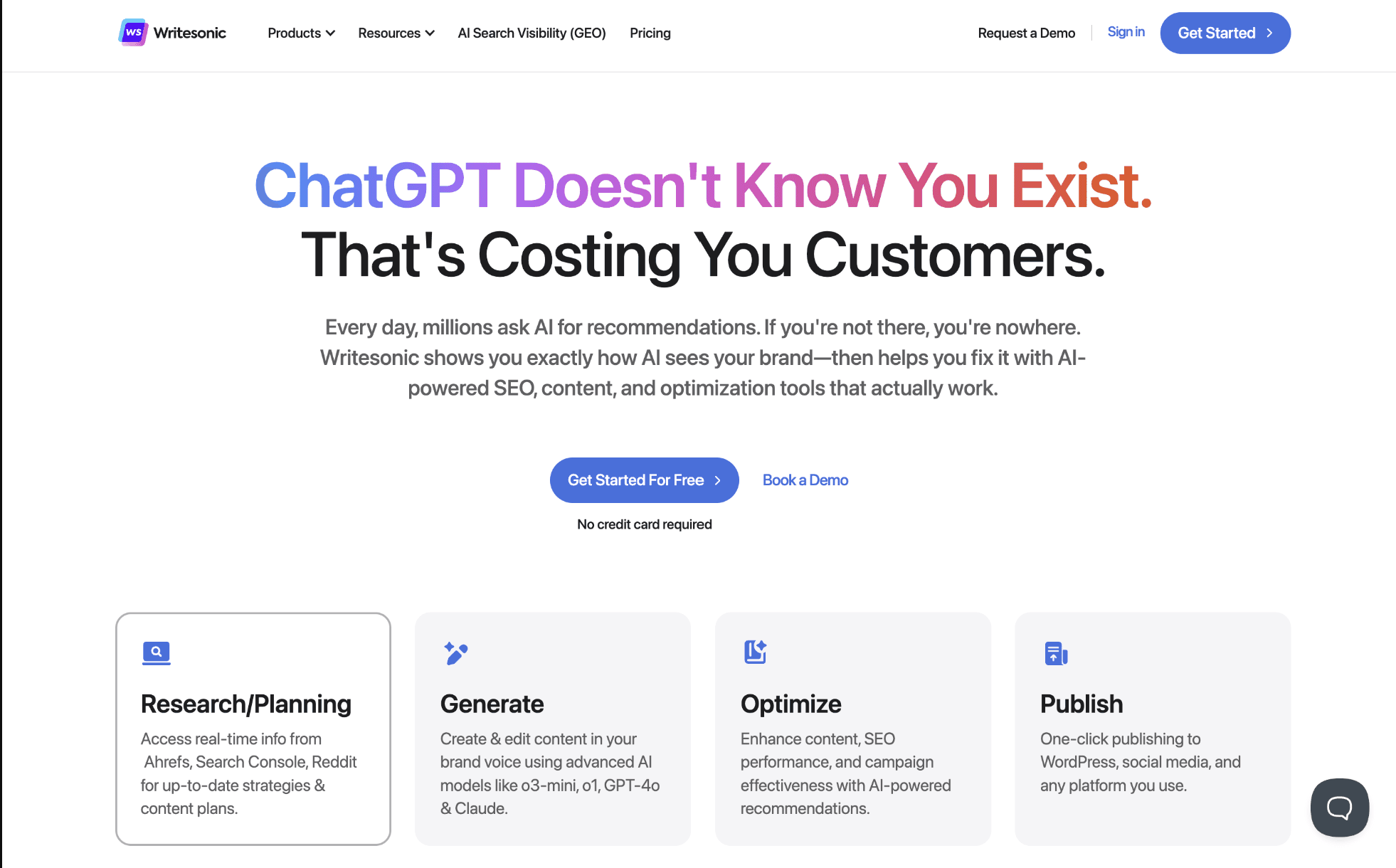
Marketing copy is shorter, more direct, and conversion-focused, and generic output is often genuinely fine here (nobody follows you for the voice of your abandoned-cart email). Copy.ai is built for this, though note its pricing has moved upmarket: the entry Chat plan is about $29/mo and the higher tiers are squarely team-and-enterprise priced, and the old free tier is no longer on its pricing page. Rytr is the budget pick: a free plan (about 10,000 characters a month) and an Unlimited plan from about $7.50/mo (billed yearly), with 40-plus templates, tone presets, and multi-language support. Writesonic sits in a similar space for individuals and small teams. All are strong on volume and weak on voice fidelity, which is the right tradeoff for functional copy and the wrong one for content that represents you personally.
For marketing teams specifically, Jasper is the campaign-and-collaboration tool, with brand-voice controls (now packaged as Jasper IQ) that apply a configured profile across outputs and flag tone drift. Its Pro plan is about $59/mo billed annually (about $69 monthly), with Business pricing custom. It is built for multiple contributors producing high-volume branded content, not for a solo creator, and crucially it configures a voice you define rather than learning from how you actually write.
Best AI writing tool for personal-brand creators
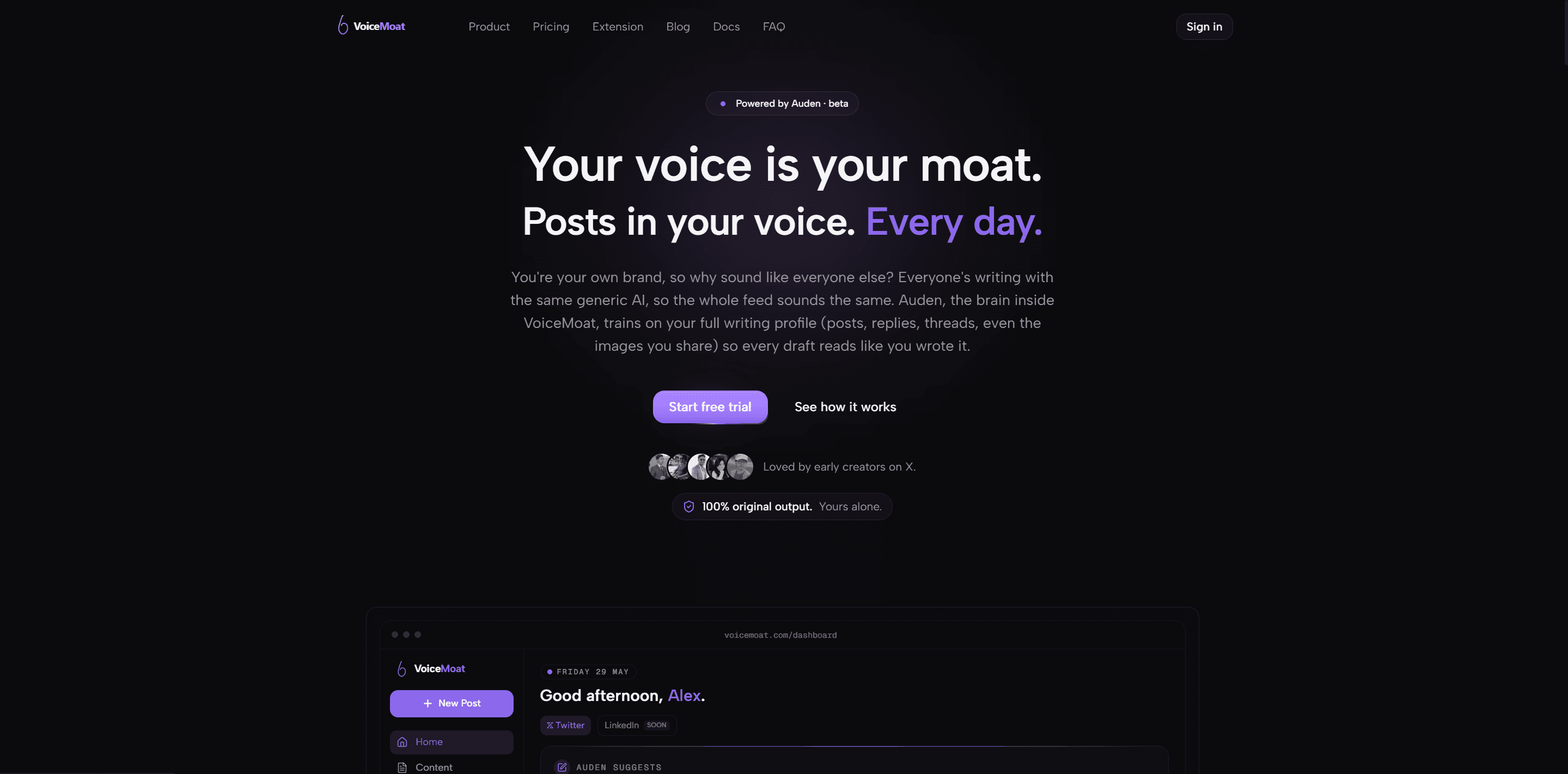
This is a different category, not just another row in the table. Personal-brand content has to read like you specifically, because your audience follows you for your voice; generic output here does not just underperform, it erodes the trust that makes a personal brand valuable. No amount of prompt engineering fixes that, because the fix is in how the AI learns about you, training on your actual writing rather than reading a prompt. That is what VoiceMoat is built for: audenAI trains on your full profile across the 10 signals of voice and scores every draft for voice match (80 percent is the ship-ready floor), and it covers Twitter and LinkedIn. It is live, with a free plan (one voice profile, voice match score included, no card) and paid tiers from $35/mo. The full personal-branding tool stack (writing, visual, audio, and scheduling layers) is compared in the best AI tools for personal branding in 2026; the X-specific roundup is the 10 best AI Twitter tools; and the head-to-head against a general assistant is VoiceMoat vs ChatGPT.
Best free AI writing tools, and what the limits mean
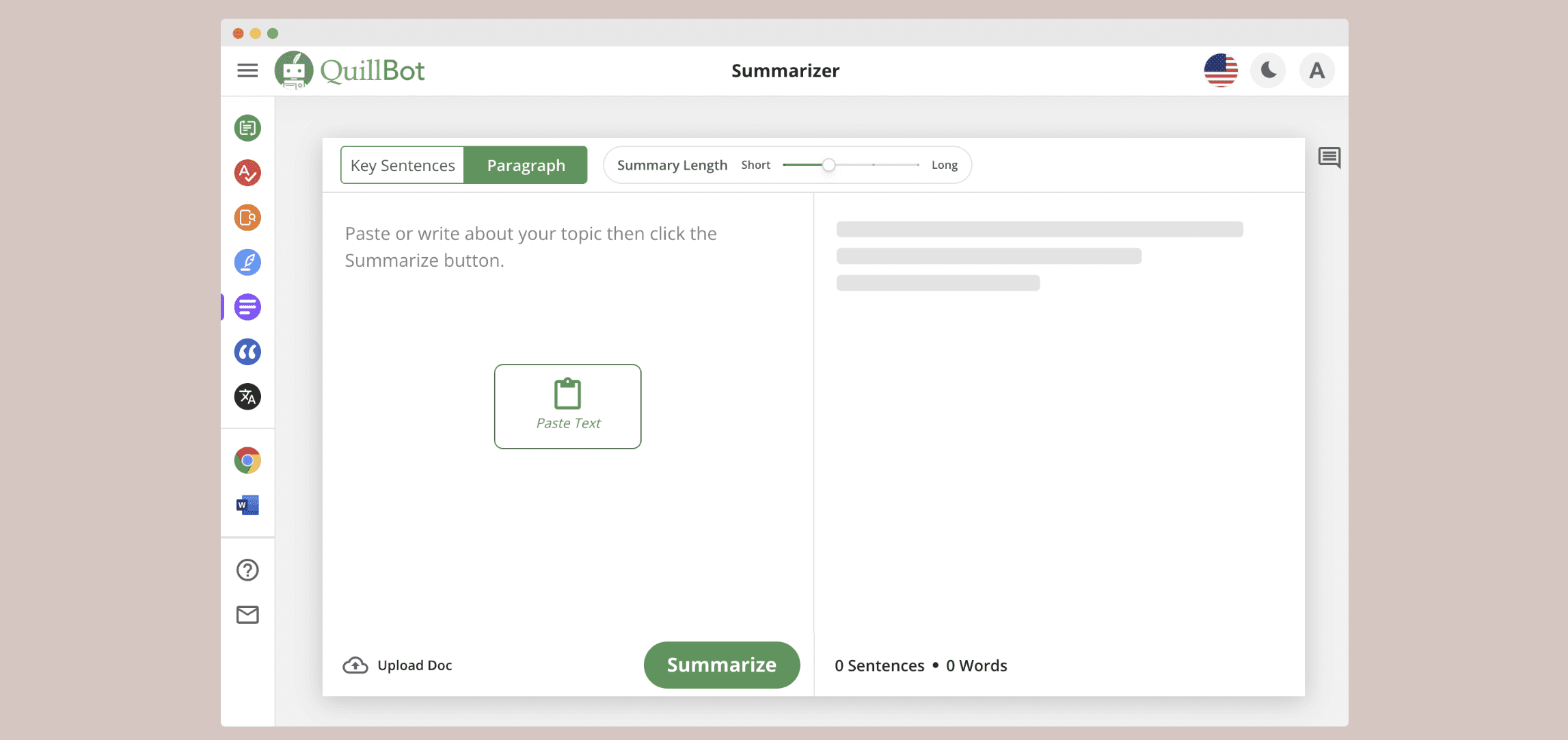
Free tiers are great for testing and rarely enough for serious production. Rytr's free plan (about 10,000 characters a month, roughly 2,500 words) is a real free tier rather than a disguised trial. QuillBot is the most accessible option for paraphrasing and rewriting. Grammarly's free layer has caught grammar, clarity, and readability issues for years without a subscription, and now includes a limited set of AI prompts; its Plus tier runs around $12/mo billed annually. TinyWow offers no-signup basic tools for one-off tasks. The distinction that matters: a permanent free tier with real limits (Rytr) is more honest than a 7-day trial that becomes a paid decision cold on day eight (Jasper), because you know exactly what you are getting before you reach for a card.
Pricing breakdown: what you actually get at each tier
Here is the landscape at a glance. Voice fidelity is the column most comparison tables omit, and it is the one that decides whether the output can sound like you specifically.
| Tool | Best for | Starts at | Voice fidelity |
|---|---|---|---|
| ChatGPT | Structured long-form, research, ideation | $20/mo (Plus) | Low: prompt-steered |
| Claude | Narrative, tone, editing passes | $20/mo (Pro) | Low: prompt-steered |
| Surfer | SEO-optimized content | ~$49/mo | Low: optimizes for search, not you |
| Jasper | Team marketing campaigns | ~$59/mo (Pro, annual) | Configured brand voice, not learned |
| Copy.ai | Marketing copy and workflows | ~$29/mo | Low: generic copy |
| Rytr | Budget multi-format copy | Free, then ~$7.50/mo | Low: tone presets |
| Grammarly | Editing and clarity | Free, then ~$12/mo | Polish layer, not generation |
| VoiceMoat (ours) | Personal-brand voice on X | Free, then $35/mo | Trained on your writing, scored |
Read by budget: under $15, Rytr is the strongest full-featured option and Grammarly's paid tier is a useful complement; at $20, ChatGPT Plus and Claude Pro are both excellent general drafters; at about $49 and up, Surfer and Jasper buy SEO optimization and team brand-consistency features that only pay off at scale. VoiceMoat sits in a different value category because it is priced against voice fidelity, not raw output volume; the relevant question is not 'is it cheaper than Jasper' but 'what is it worth to have AI trained on how you actually write.'
What AI detectors tell you about these tools
Clean AI text from the major models is reliably flagged as AI by the strongest detectors, while paraphrased or genuinely mixed human-AI text is harder to classify. We will not restate the per-detector numbers here, because we tested them in depth in AI detection tools tested: what Originality.ai, GPTZero, ZeroGPT, Copyleaks, and Winston AI actually catch in 2026. The practical implication for a personal brand: if your AI-assisted content flags at near-certainty on detectors, your readers are likely picking up the same signals without running anything, because generic output fails the reader the same way it fails the classifier. Content built from your own writing reads differently because it is structurally different, carrying your vocabulary and rhythms rather than the average-LLM signature; the diagnostic for what AI-shape looks like is in how to spot AI-generated content in 2026.
How to pick the right AI writing tool for your situation
Three questions narrow it fast: what are you mainly writing, do you need volume or voice, and what is your realistic monthly budget? Run them in order and the table above maps each answer to a pick.
- Step 1
What are you writing?
long-form, marketing copy, or personal-brand posts
- Step 2
Volume or voice?
adequate-and-fast, or recognizably you
- Step 3
What is your budget?
free or budget, $20 mainstream, or $49-plus team
- Step 4
Match it to a tool
long-form to ChatGPT or Claude, copy to Rytr, voice to VoiceMoat
The one case that overrides the budget math: if the content has your name on it and your audience follows you for your perspective, the general-purpose category is the wrong starting point, because prompt-based voice control is a workaround rather than a solution. The tools that win on speed and volume lose on the thing that makes personal-brand content valuable. For that job, start with a tool that trains on your writing; the step-by-step is in how to train AI on your writing style.
The honest bottom line
Most AI writing tools save you time, and that part of the promise is real: ChatGPT, Claude, and Rytr are genuinely useful and honestly priced, and Surfer and Jasper serve real needs for content teams at scale. The gap nearly every mainstream tool ignores is the one that matters most to creators building something long-term: whether the output actually reads like you, improves over time, and reinforces the voice that makes your audience keep reading. As the volume-versus-voice divide sharpens, the best tool is the one you will actually use consistently, so start there. But if your voice is your competitive moat, do not settle for tools that average it away. If that is the job you need solved, start with audenAI. audenAI suggests. You decide.